
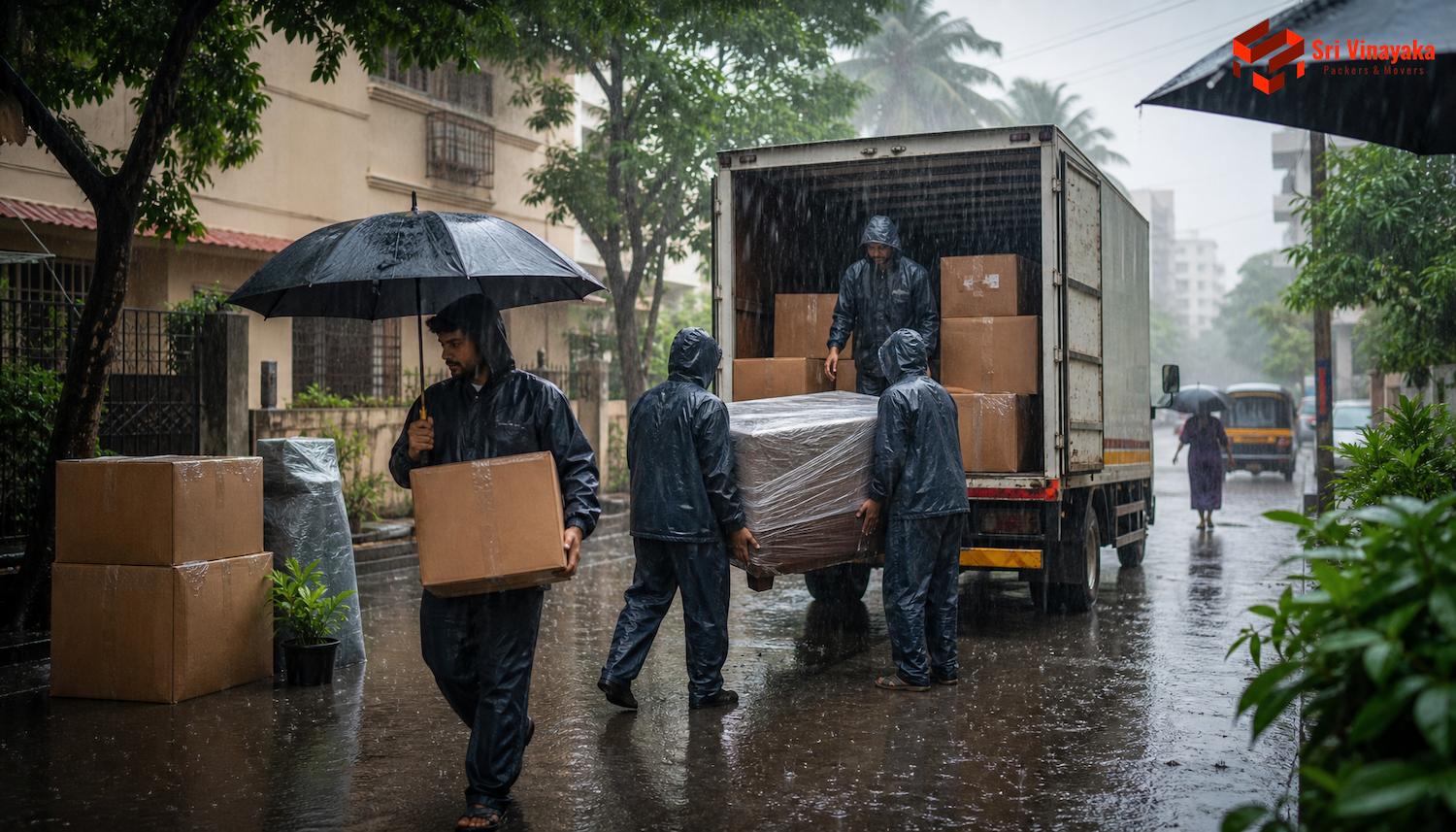
A Complete Guide to Shifting During Monsoon Season in India
Moving in monsoon means you will receive relief from the sweltering heat of summer, but it also means you face a different set of conditions and challenges if you are moving residences or offices. Heavy rains, water-logged roads, humidity levels, and high water content in the air accentuate the possibility of damage to your expensive belongings.
A survey reveals that close to 60% of people who had undertaken a move in the Indian monsoon season also had some kind of water damage to their electronics or furniture. But a move in the monsoon can be as comfortable and trouble-free as any other season when undertaken with good planning, technique, and choice of a reliable partner. Here is a step-by-step guide to do it right.
Shifting During the Monsoon Season
Shifting during the monsoon season is about no less than moving your boxes from point A to B. It demands planning so that the entrusted items do not get soaked, water-logged, or drenched in moist air.
Proper planning and use of waterproof packing materials, as well as proper loading and unloading strategies, are the essential factors when one picks moving in the monsoon season as their prime.
Unlike dry weather moves, the mover must not forget to book in time and outline the unloading and loading strategy while taking measures to keep things dry while falling prey to waterlogged roads, traffic jams, and deliver the goods as dry as they were.
Common Challenges During Monsoon Moving
- Water Damage: The most apparent danger is rain coming directly on your furniture, records, and electronic gears.
- Mold and Mildew: Increased humidity levels can cause mold on the surface of upholstery, mattresses, and cardboard boxes even though they are not directly subjected to moisture.
- Slippery floors & stairs: Wet floors and stairs cause accidents and damage items on the trolleys for the crew.
- Traffic and delays: Heavy rain causes traffic jams and shuts down roads, leading to a lot of delays.
- Vehicle Accessibility: Moving vans are not likely to make use of narrow, waterlogged streets.
Preparation is the Key to a Hassle-Free Monsoon Move
Preparation is the key to a hassle-free monsoon move. This is the time to think ahead and make sure that everything is in place before moving day.
Book Professional Packers and Movers 10-14 Days in Advance
Booking your packers and movers is really important. Make sure you book your move early (up to 14 days in advance). There shall be consistent, if not increased, demand during the monsoons for reliable packers/movers, so by booking 10 to 14 days prior, you will have your desired moving date.
The mover will do a pre-move survey to estimate the stock and manage resources like waterproof packing materials, additional movers, vehicles, etc.
Sri Vinayaka Packers & Movers, one of the most trusted names in the packer and mover industry, always ensures you are not caught out by surprises on the big day.
Check the Weather Forecast
You can’t do anything about the weather, but you can plan your day based on it. Starting a few days before your planned move, keep an eye on the weather forecast. Plan your move on a day where rain is predicted to be light or non-existent.
If this isn’t feasible, plan on a morning move where rain is usually lighter. Do not choose to move on days where a cyclone, heavy rain, or monsoon has been forecasted, as driving conditions can be hazardous and flooding likely.
Use High-Quality Waterproof and Moisture-Resistant Materials
If you’re moving in the monsoon season, your best packing material is your primary asset. Ordinary cardboard boxes aren’t sufficient—you require multi-layer protection against water.
Use specialized packing supplies. The best way to ensure your possessions remain protected is to use double-layer corrugated cartons that are tougher and watertight. Wrap each item in a bubble foil first, then place it in a seal in a plastic bag or in plastic sheeting, and put it into the carton.
Before placing the carton into the car, wrap it in shrink foil, which can be found at your local supermarket and will form a waterproof barrier around your items. Require your removal company to bring these items.
Label Boxes Properly
A simple labeling system is essential for a smooth monsoon move. Use waterproof markers to write on each of your boxes what is inside them and which room they are for.
Most importantly, identify all boxes that are water-sensitive, e.g., electronics, files, and mattresses, by putting a PRIORITY – UNLOAD FIRST label on them. This indicates to the crew which boxes they should unload immediately upon reaching their destination, so that it minimizes the time they are exposed to the elements.
Strategic Loading and Unloading
The loading and unloading phase is where the move is most at risk. A proper plan of action can greatly minimize damage to water-sensitive contents.
Strategic Loading Order: Last In, First Out
My golden rule for a monsoon move is to load your most water-sensitive stuff last (electronics, mattresses, and all those “Priority” labeled boxes). The idea is that they will be the first to come off at your new home, so they will be inside the truck for the shortest time and unloaded earliest before the rain hits them.
Heavy, bulkier stuff (like books, glasses, bottles) can be put in first. At your new location, unload in the reverse order you pack. Deliver priority boxes first. Prepare a dry area (covered porch or hall) in advance so the boxes may be delivered into the house immediately.
The moving crew should unload quickly and efficiently into the inside of the truck, moving from the truck onto the covered walkway or range of tarpaulins. Less time for your belongings to be wet.
Stay Safe During the Monsoon
Relocating can be tiring, and doing it during the rainy season can affect your health. You should pay special attention to yourself and your family. Stay safe during monsoon season by following these tips:
- Do not walk through water that is still, as it may contain sewage and provide infection.
- Wear shoes with non-slip soles to prevent skidding or falling.
- Carry an umbrella and raincoat with you at all times.
- Keep your stock of first-aid medicines, antiseptic creams, and band-aids updated.
- Keep medicines for treatment of common monsoon symptoms like fever and cold.

Final Checklist for a Successful Monsoon Move
Before the moving day, run through this quick checklist to ensure you haven’t missed anything critical:
- Book your movers at least 10-14 days in advance.
- Confirm the use of waterproof packing materials (plastic sheeting, shrink wrap).
- Label all boxes clearly, marking “Priority” items for first unloading.
- Prepare a “first-night” box with essentials (clothes, toiletries, chargers, medicines).
- Clear a dry unloading zone at your new home.
- Keep rain gear and a first-aid kit accessible.
Shifting during the monsoon season doesn’t have to be a nightmare. With careful planning, the right materials, and the support of experienced professionals like Sri Vinayaka Packers & Movers, you can ensure your move is safe, efficient, and damage-free. Focus on the excitement of your new beginning, and let the experts handle the rain.
For more helpful advice, check out our guide on how to plan your relocation with the elderly or explore our complete guide to house shifting packing material.
FAQs
The best materials include double-layered corrugated cardboard boxes, bubble wrap for cushioning, heavy-duty plastic bags or sheeting to wrap individual items, and stretch or shrink wrap to seal the entire box. Using these in combination creates a near-watertight seal.
Generally, moving costs during the monsoon are similar to other times of the year. However, you might pay a premium for additional waterproof packing materials. Some companies may also charge extra for navigating difficult, waterlogged routes. It’s best to get a detailed quote upfront.
For electronics, the key is to use their original packaging if possible. If not, wrap them in anti-static bubble wrap, then seal them in a thick plastic bag. Place them in a sturdy box with ample cushioning and mark the box as “Fragile” and “Priority: Unload First.” Ensure they stay in a dry, air-conditioned space if possible before loading.